June 18, 2026
Many homeowners assume their properties are prepared for a fire emergency simply because they have smoke alarms or a fire extinguisher somewhere in the home. While those tools are important, true protection requires more than owning basic equipment. Homes can fall short of recommended standards because devices are missing, outdated, poorly maintained, incorrectly placed, or not supported by a clear emergency plan. Small oversights can create serious risks when every second matters.
Understanding why homes fail fire safety standards can help families take a more complete approach to prevention and preparedness. A home should be evaluated regularly for alarms, escape routes, electrical hazards, heating equipment, cooking risks, and extinguisher access. When these areas are overlooked, a property may appear safe while still having weaknesses that could affect the outcome of an emergency. By learning the most common reasons homes fall short, property owners can make more informed decisions and take practical steps to protect their households.
Missing Working Smoke Alarms
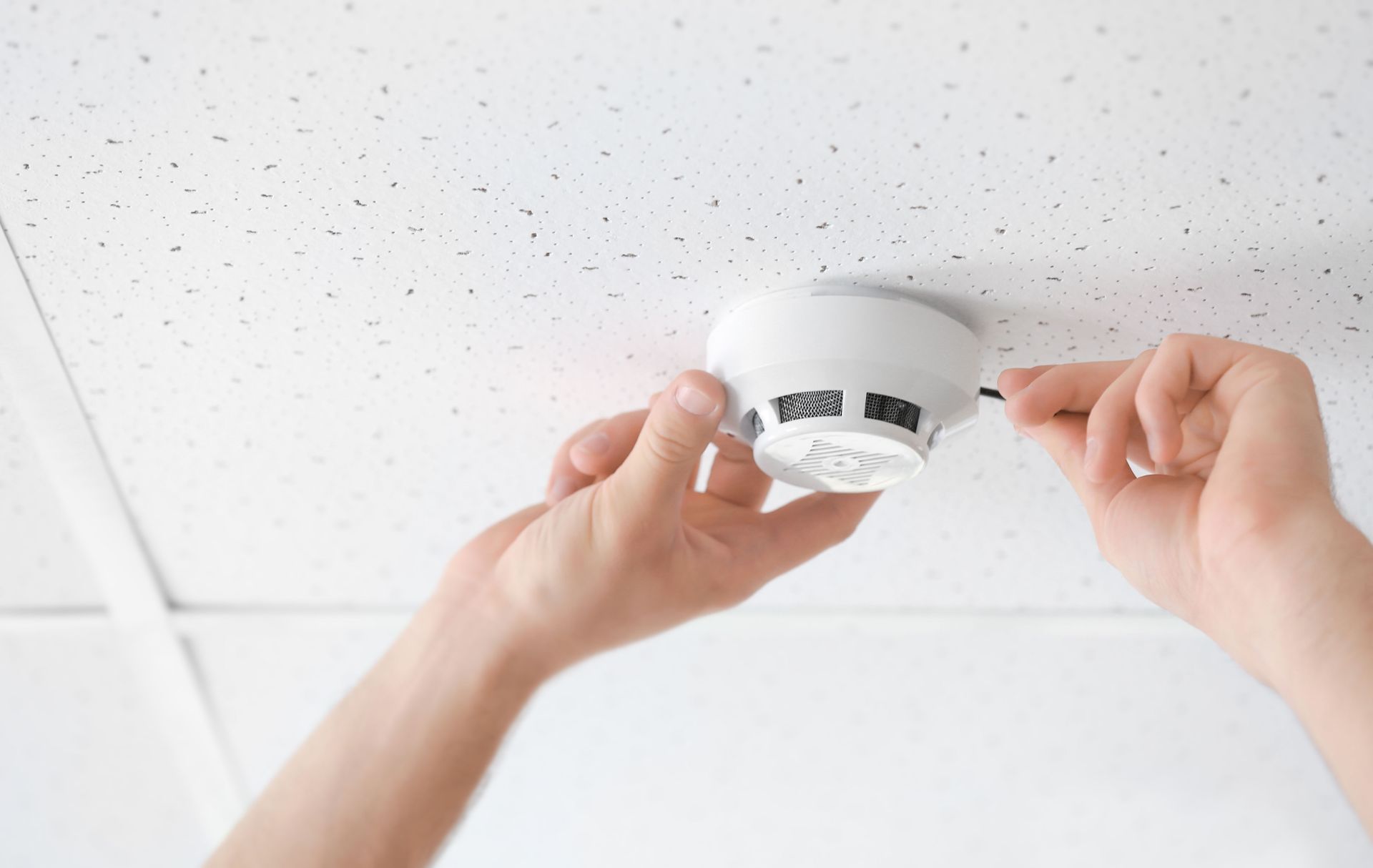
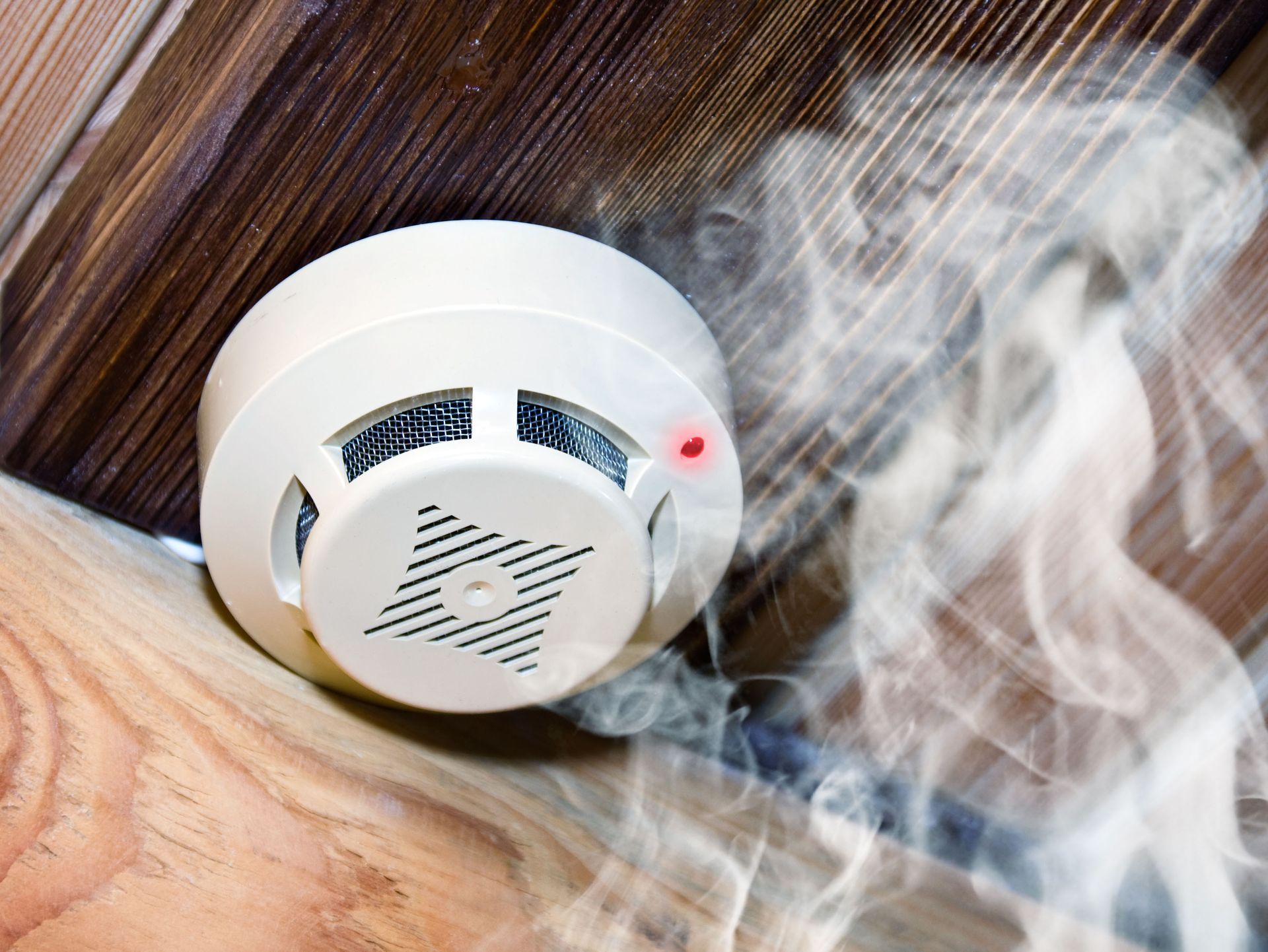
Smoke alarms are one of the most important protective devices in any home, yet many homes fail inspections because alarms are missing, disconnected, expired, or not working properly. Some homeowners remove batteries after nuisance alarms and forget to replace them. Others may not realize that smoke alarms have a limited service life and should be replaced when they reach the end of their recommended use period. A home with alarms that do not function properly may provide little warning during a real emergency.
Proper placement is also essential. Smoke alarms should be located where they can detect smoke quickly and alert sleeping occupants. Bedrooms, hallways, kitchens, basements, and each level of the home may require attention depending on the layout. According to Fire & Safety Journal Americas, smoke alarms are present in 99 percent of homes across the United States. Even with widespread alarm ownership, homes can still fall short if the alarms are not tested, maintained, or installed in the right locations. Regular fire safety evaluations can help homeowners identify these gaps and improve overall preparedness.
Ignoring Expired Equipment
Many homeowners keep safety equipment for years without checking whether it is still reliable. Smoke alarms, carbon monoxide alarms, and fire extinguishers can all become less dependable over time. Batteries weaken, sensors age, pressure levels drop, and labels become difficult to read. Equipment that appears normal at a glance may not perform correctly when it is needed most. This is a common reason homes fail basic safety reviews.
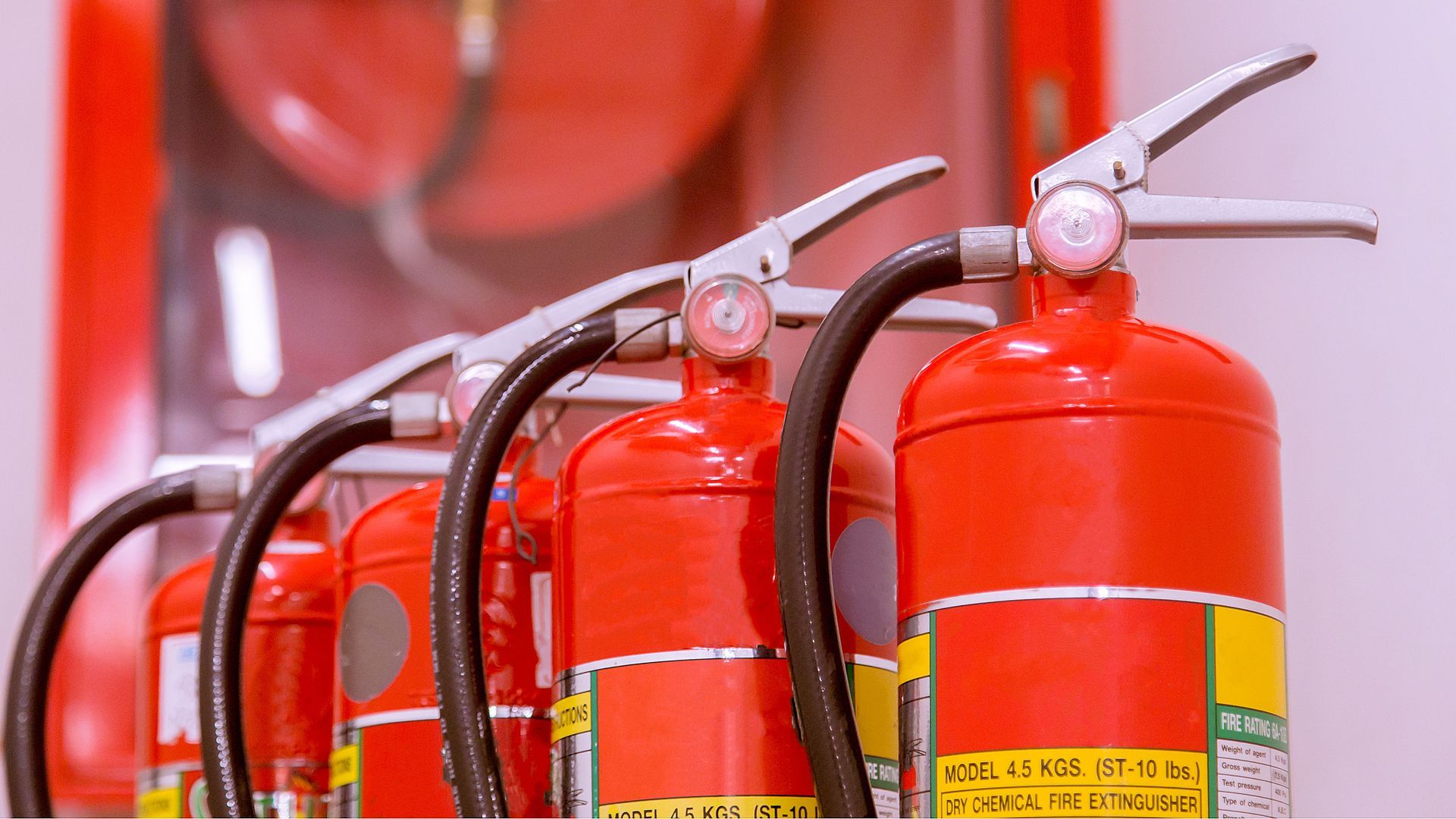
Regular inspection helps homeowners identify devices that need replacement or service. Alarms should be tested on a consistent schedule, and fire extinguishers should be checked for proper pressure and accessibility. A professional review can help determine whether equipment is current, properly located, and suitable for the home. Keeping equipment up to date is a simple but important part of maintaining a safer household.
Overlooking Electrical Hazards
Electrical issues are another major reason homes may fail safety standards. Overloaded outlets, damaged cords, outdated wiring, improper extension cord use, and exposed connections can all increase risk. Many people use power strips or extension cords as permanent solutions, especially in older homes with fewer outlets. Over time, these habits can create hidden hazards behind furniture, under rugs, or near flammable materials.
Homeowners should pay attention to warning signs such as flickering lights, warm outlets, tripped breakers, burning smells, or damaged cords. These problems should not be ignored or treated as minor inconveniences. A strong fire safety plan includes identifying electrical concerns before they become emergencies. Professional inspections and proper repairs can help reduce risks and support a safer living environment.
Neglecting Cooking Precautions
Kitchens are common locations for household fire risks because cooking involves heat, appliances, oil, and frequent activity. Many problems occur when food is left unattended, flammable items are stored too close to burners, or grease is not handled safely. Even a brief distraction can lead to a dangerous situation if a stovetop or oven is in use. Homes may fail safety reviews when cooking areas are cluttered or when extinguishers are missing from accessible locations.
Safe cooking habits make a meaningful difference. Towels, paper products, packaging, and utensils should be kept away from heat sources. Homeowners should know how to respond to grease fires and should avoid using water in situations where it could make the fire worse. Having the correct extinguisher nearby and knowing how to use it can improve preparedness. Simple changes in kitchen habits can help reduce one of the most common sources of home fire danger.
Forgetting Heating System Risks
Heating equipment can create hazards when it is not maintained or used correctly. Furnaces, fireplaces, chimneys, space heaters, and wood stoves all require attention. Dust buildup, blocked vents, damaged components, and poor clearance around heat sources can increase risk. Space heaters are especially concerning when placed near bedding, curtains, furniture, or other combustible materials.
Seasonal maintenance can help reduce these concerns. Chimneys should be inspected and cleaned when needed, heating equipment should be serviced, and portable heaters should be used according to manufacturer guidelines. Homeowners should also maintain proper clearance around heat sources and avoid leaving heaters unattended. Regular attention to heating systems is an important part of household fire safety, especially during colder months.
Lacking Clear Escape Plans
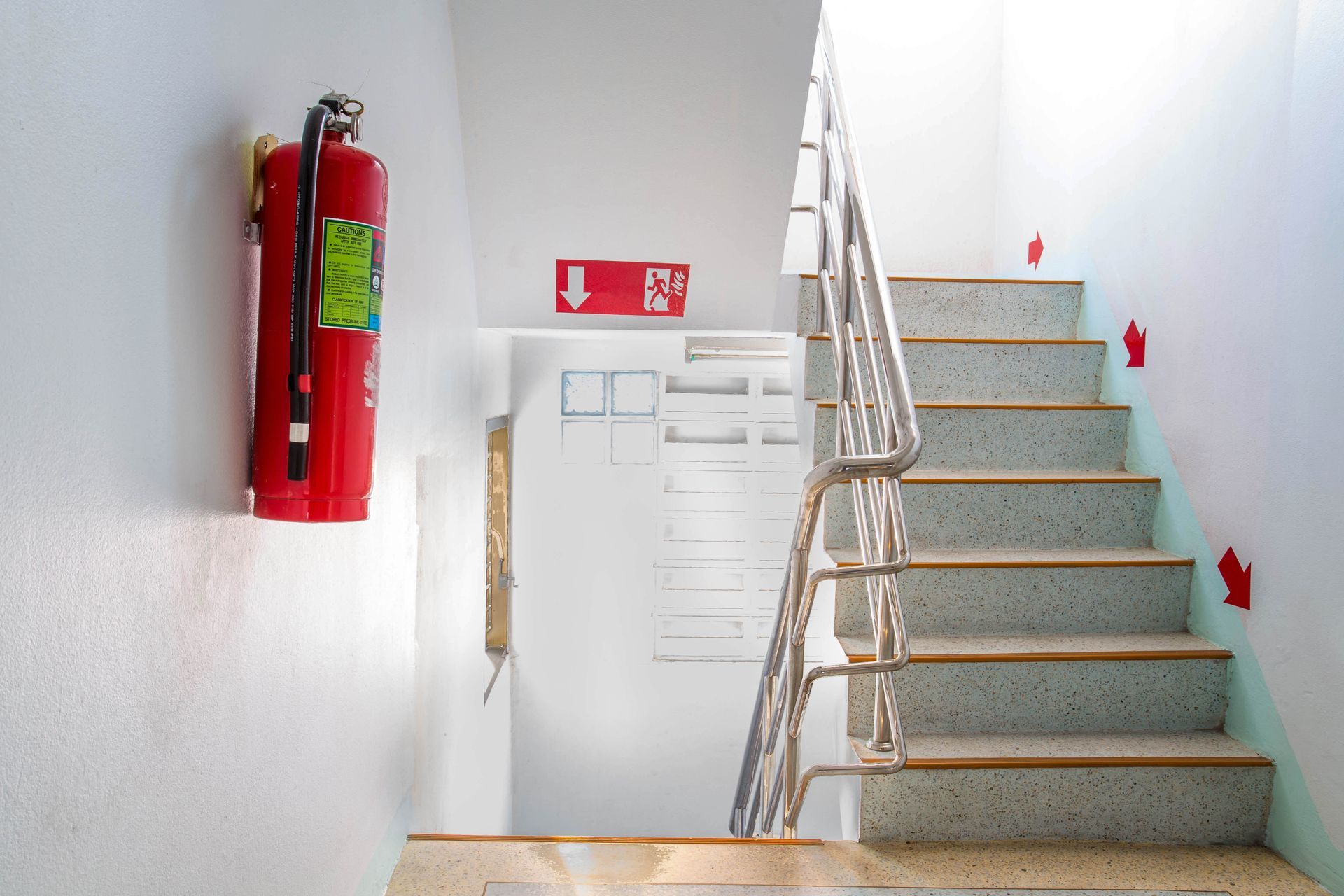
A home may have working alarms and updated equipment, but still fall short if the household does not have a clear escape plan. During an emergency, confusion can waste valuable time. Family members should know at least two ways out of key areas, where to meet outside, and how to respond if smoke blocks a path. Children, older adults, and people with mobility limitations may need additional planning.
Practicing the plan is just as important as creating it. Families should review exits, test doors for heat, stay low under smoke, and avoid going back inside once they are out. Emergency plans should also consider pets, nighttime response, and communication after leaving the home. A written and practiced plan turns fire safety from a checklist item into a practical household routine.
Delaying Professional Inspections
Many safety issues are easy to miss without professional experience. Homeowners may not notice outdated alarms, poor extinguisher placement, electrical concerns, or missing safety devices. They may also be unsure which standards apply to their property or how to correct identified problems. Delaying inspections can allow small risks to remain in place for years, increasing the chance of serious consequences.
Professional inspections provide a more complete view of a home's readiness. Experts can evaluate equipment, identify concerns, recommend improvements, and help homeowners understand priorities. This type of guidance is especially valuable after renovations, property purchases, household changes, or long periods without a safety review. Regular inspections can strengthen fire safety planning and help homeowners feel more confident about their level of protection.
Homes fail safety standards for many reasons, including missing alarms, expired equipment, electrical hazards, cooking risks, heating concerns, unclear escape plans, and delayed inspections. While each issue may seem manageable on its own, together they can create serious weaknesses during an emergency. Homeowners who take time to review equipment, update plans, and address hazards can create a safer environment for everyone in the household. A proactive approach to fire safety helps reduce risk, improve preparedness, and protect both people and property. If you need professional guidance, inspections, or equipment support for your home or business, contact Elite Brothers Fire & Safety today.