May 5, 2026
In an increasingly connected world, the reliance on high-powered electronics has surged, creating a landscape where electrical risks are more prevalent than ever. These hazards pose significant threats that, without proper intervention, can lead to devastating property loss. The evolution of contemporary fire safety products has kept pace with these advancements, offering sophisticated methods to mitigate risks effectively. This article explores how modern safety innovations contribute to the prevention and management of electrical fires through technological progress, specialized materials, and advanced suppression strategies.
Understanding Electrical Risks in Modern Contexts
Our collective reliance on electrical devices has grown exponentially, making a deep understanding of associated risks mandatory. As families and businesses integrate more gadgets and high-draw appliances into their daily routines, the strain on older electrical infrastructures increases. This rise in dependency creates a parallel potential for mechanical malfunction, raising the stakes for proper electrical management. According to the Electrical Safety Foundation International, an average of 51,000 fires caused by electrical issues occur in homes annually, a figure that underscores the urgent need for professional safety measures.
Identifying Common Causes of Ignition
Several frequent catalysts for electrical fires include overloaded circuits, faulty aging wiring, and the improper use of high-voltage appliances. These failures are often the result of unmaintained or improperly installed systems that cannot handle modern energy demands. Identifying these root causes is the first step in developing effective prevention strategies. Awareness and education are key, but they must be supported by the physical presence of advanced safety hardware.
Evaluating Environmental Impacts on Systems
Beyond human error, environmental factors such as humidity and extreme temperature fluctuations can negatively impact electrical systems over time. Regulatory standards form the foundation for managing these risks, providing guidelines for how systems should be shielded. By complying with these codes, property owners can significantly reduce the likelihood of a catastrophe.
Advancing Fire Detection and Alarm Systems
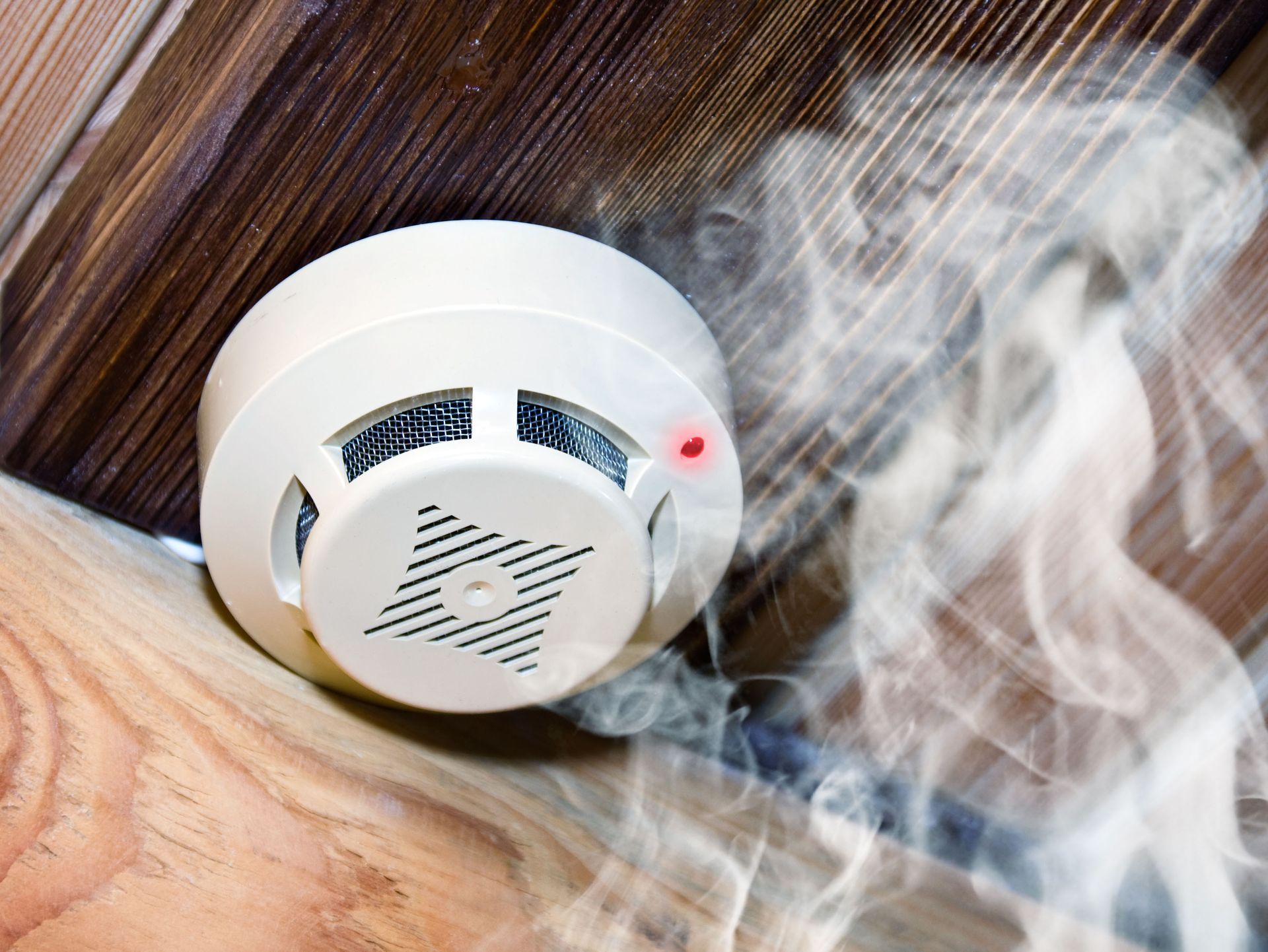
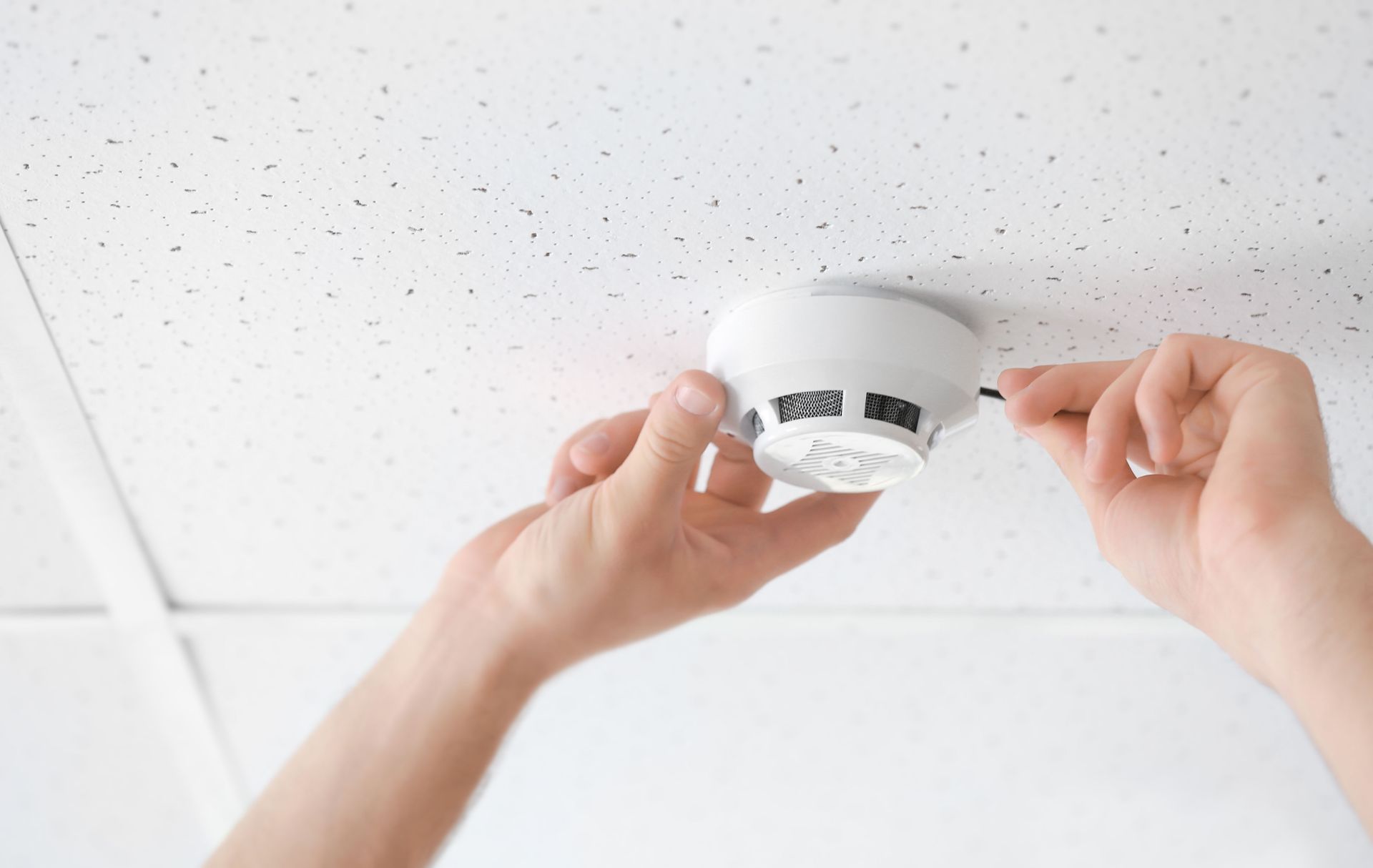
Contemporary fire detection systems have progressed significantly, providing enhanced capabilities for identifying threats early. Traditional smoke detectors have been upgraded to multi-sensor units that can differentiate between various types of smoke and heat signatures. These enhanced sensors provide more reliable data, which is essential for reducing false alarms while improving the speed of the initial response.
Linking Smart Alarms to Digital Networks
Emerging smart alarms incorporate connectivity that extends far beyond the capabilities of traditional systems. These units can be linked with smartphones and building management software, providing real-time notifications even when the premises are unoccupied. This integration ensures a prompt reaction to any detected hazard, bridging the gap between detection and emergency response.
Implementing Advanced Suppression Systems
Suppression technologies have seen marked advancements that improve their efficiency. Water mist systems are a primary example of this, using fine droplets to control and extinguish fires with minimal water damage compared to conventional sprinklers. These systems cool the fire and displace oxygen at the source, making them particularly effective in sensitive environments where heavy water usage would be just as damaging as the fire itself.
Deploying Chemical and Foam Suppressants
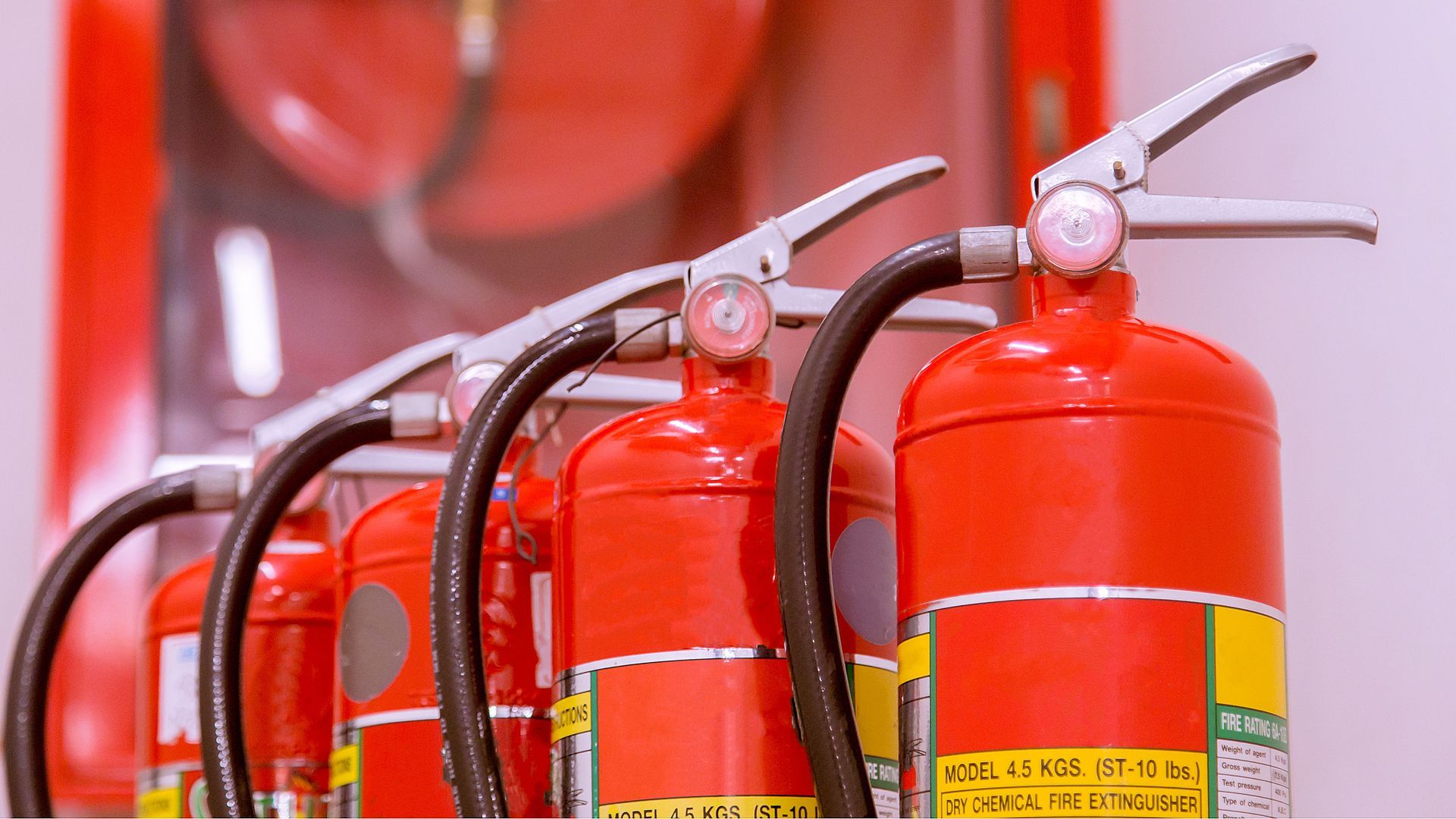
Foam-based and chemical suppressants offer another level of protection for specific hazards. These materials are engineered to tackle fires that water-based systems might struggle with, such as those involving flammable liquids or complex electrical machinery. The chemical nature of these suppressants allows them to smother the flame and interrupt the chemical reactions sustaining the combustion.
Integrating Suppression With Infrastructure
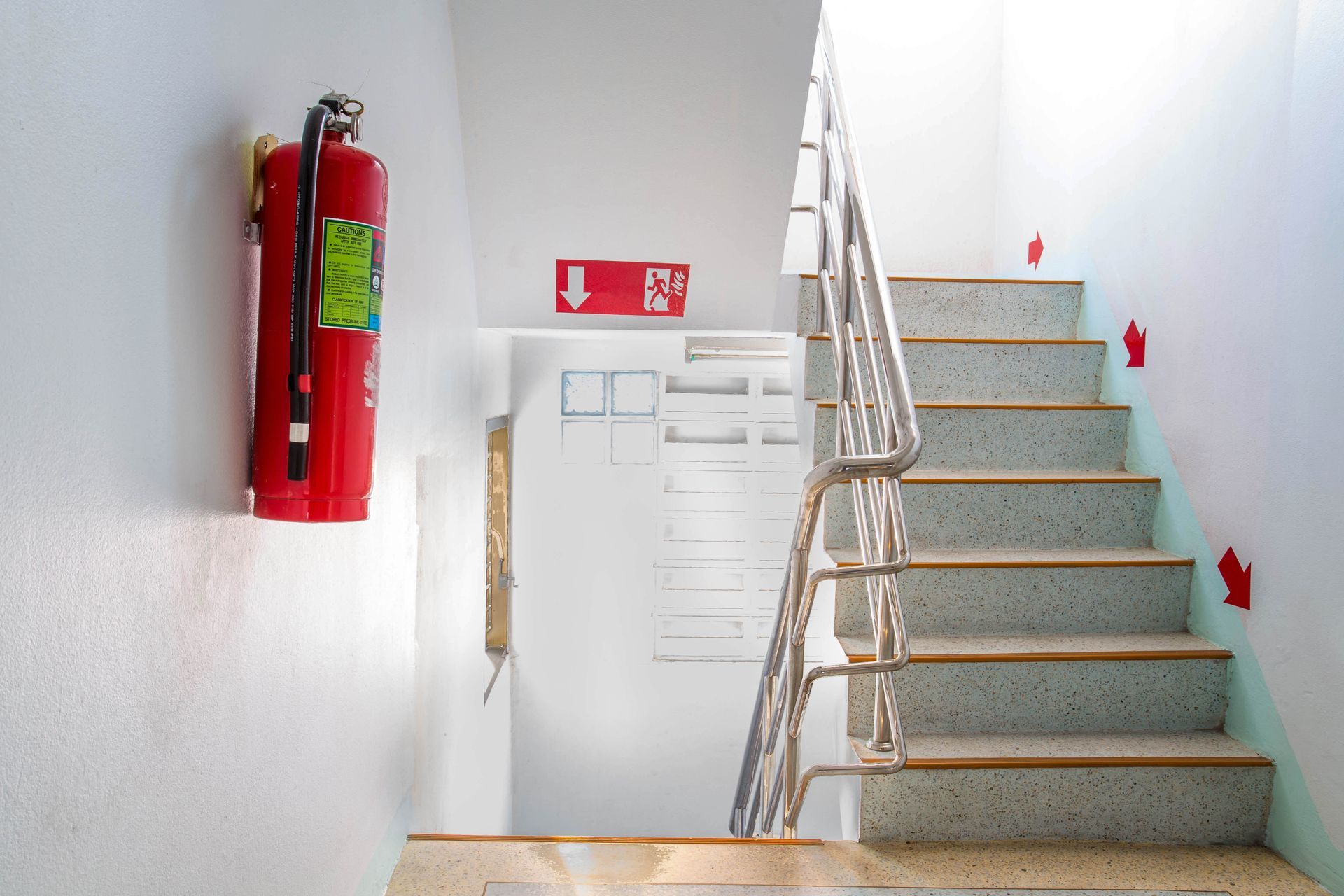
Modern buildings now incorporate suppression hardware into their initial designs, ensuring a seamless aesthetic and operational flow. Dual-function systems—offering both manual and automatic activation—provide flexibility during emergencies. By merging these systems into the building's framework, they become a permanent part of a broader strategy to combat electrical fire risks.
Prioritizing Inspections and Maintenance
Routine evaluations of electrical systems play a vital role in long-term prevention. Professional inspection of fire safety products and infrastructure is designed to evaluate the integrity of every installation, from the main panel to the furthest outlet. These checks enable the identification of potential hazards like frayed wires or loose connections before they manifest as a fire.
Rectifying Faults Through Routine Maintenance
Detecting and fixing faults at an early stage is the most cost-effective way to prevent escalation. Regular maintenance for fire safety products helps in recognizing signs of deterioration that might go unnoticed by an untrained eye. Upgrading systems as necessary ensures that the underlying electrical infrastructure remains robust enough to handle modern loads safely over time.
Training Personnel for Risk Management
Knowledgeable maintenance staff is essential for effective risk management. Personnel who can recognize warning signs can enact preventive measures quickly. Documentation and compliance are integral to these efforts, ensuring there is a clear record of safety activities. Adhering to established standards protects against liability and helps maintain a culture of diligence.
Developing Fire-Resistant Products
The development of fire safety products has revolutionized the approach to structural safety. New materials are engineered to resist ignition and actively slow the spread of a fire. By incorporating these innovations into the construction of a building, owners can significantly reduce the potential impact of an accidental spark.
Designing Fire-Resistant Structures
Engineering innovations have emerged that focus on compartmentalization. Products such as fire doors and insulated panels help restrict the movement of smoke and flames, providing occupants more time to evacuate. Fire-resistant cables further ensure that the electrical system itself does not become a path for the fire to travel through the walls.
Analyzing Long-Term Cost Benefits
While the initial investment in high-quality materials may be higher, the long-term benefits are substantial. These investments safeguard human lives and can lead to reduced insurance premiums over time. Prioritizing safety through resilient materials reflects a commitment to the longevity of the structure and the safety of its inhabitants.
Harnessing Technological Innovations for Safety
The proliferation of IoT has introduced new possibilities for interconnected fire safety products. IoT enables devices to communicate with one another, sharing data for a more responsive safety network. Through this integration, stakeholders receive immediate insights that can inform critical decisions during an emergency.
Applying Predictive Analytics and Machine Learning
Predictive models are now used to assess fire risks dynamically. By analyzing large datasets, machine learning can identify patterns that indicate a forthcoming issue, allowing for interventions before a fire occurs. Incorporating these insights into a safety plan strengthens its precision and effectiveness.
Evolving Toward Fully Integrated Smart Homes
The integration of smart home systems with safety innovations represents the new frontier of protection. Connected devices can react to threats autonomously, such as shutting off power to a faulty appliance or illuminating exit paths instantly. As these technologies become more sophisticated, the resilience of our homes and businesses against electrical risks will continue to improve.
As electrical risks continue to evolve alongside our technology, the implementation of modern fire safety products is the most effective way to protect life and property. Through a blend of advanced detection, specialized suppression, and innovative materials, these tools provide a secure foundation for our increasingly electrified world. Continuous innovation and strict adherence to maintenance standards are the only ways to mitigate the destructive potential of electrical hazards.
If you are looking to secure your facility with professional fire suppression system services or high-quality fire extinguisher sales and services, we can assist. We also provide essential exit lighting services and emergency lighting services to ensure your building remains compliant and safe.
Contact Elite Brothers Fire & Safety today to learn more about our comprehensive range of fire safety products and how we can help you safeguard your environment against modern risks.