December 18, 2025
Fire safety is a critical component of protecting homes, businesses, and public buildings. While many property owners understand the importance of smoke alarms, fire extinguishers, and emergency plans, fewer realize how essential ongoing inspections are in maintaining a safe environment. A professional fire safety service inspection evaluates all fire protection systems, identifies possible hazards, and ensures compliance with local regulations and building codes. These inspections help prevent dangerous situations and ensure that all safety equipment is functioning properly. For homeowners and business owners alike, understanding what happens during a fire safety service inspection provides valuable insight into the measures required to minimize risk. By knowing what to expect, individuals can prepare effectively and support a safer living and working environment for everyone.
Beginning With an Assessment of Fire Protection Systems
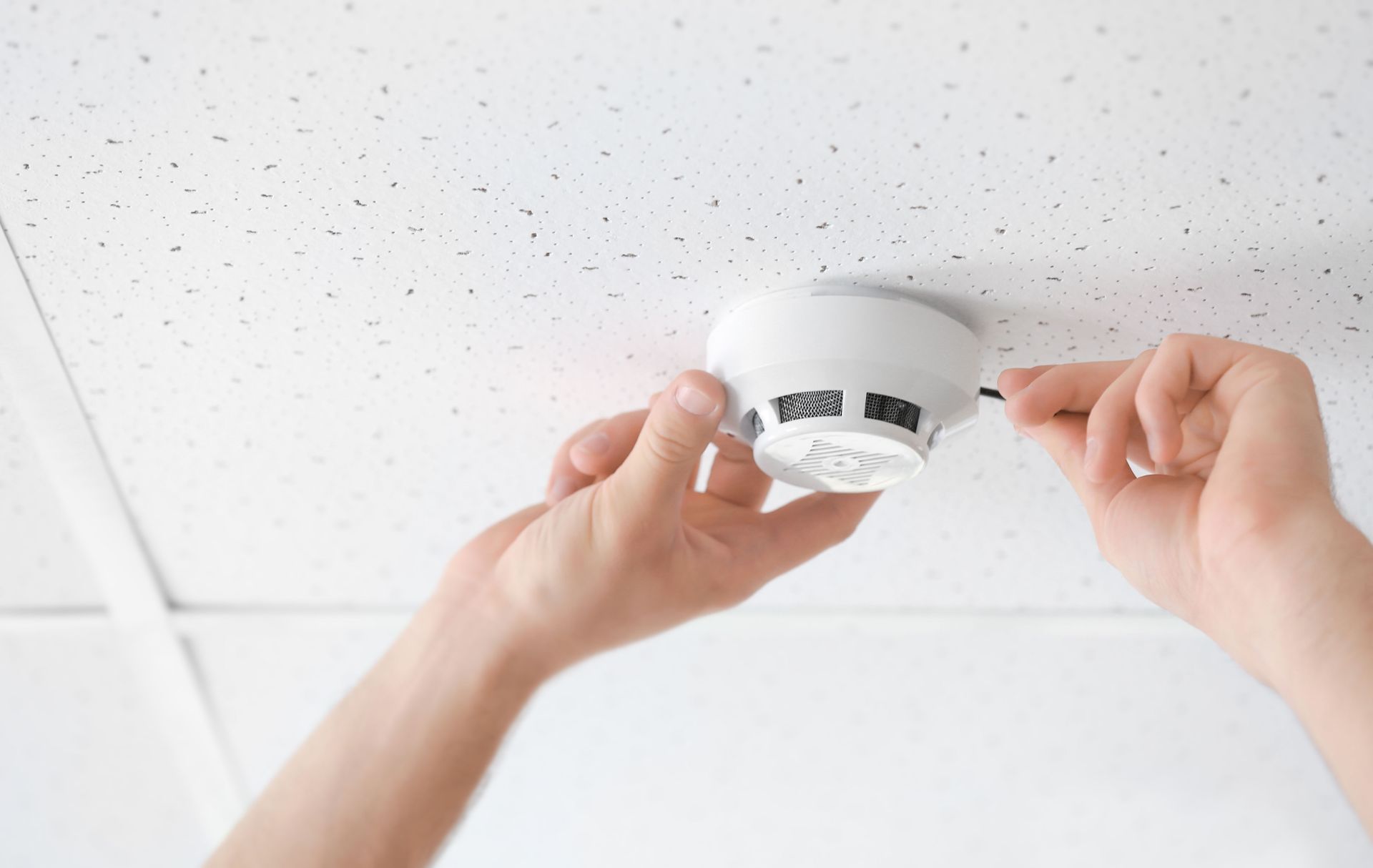
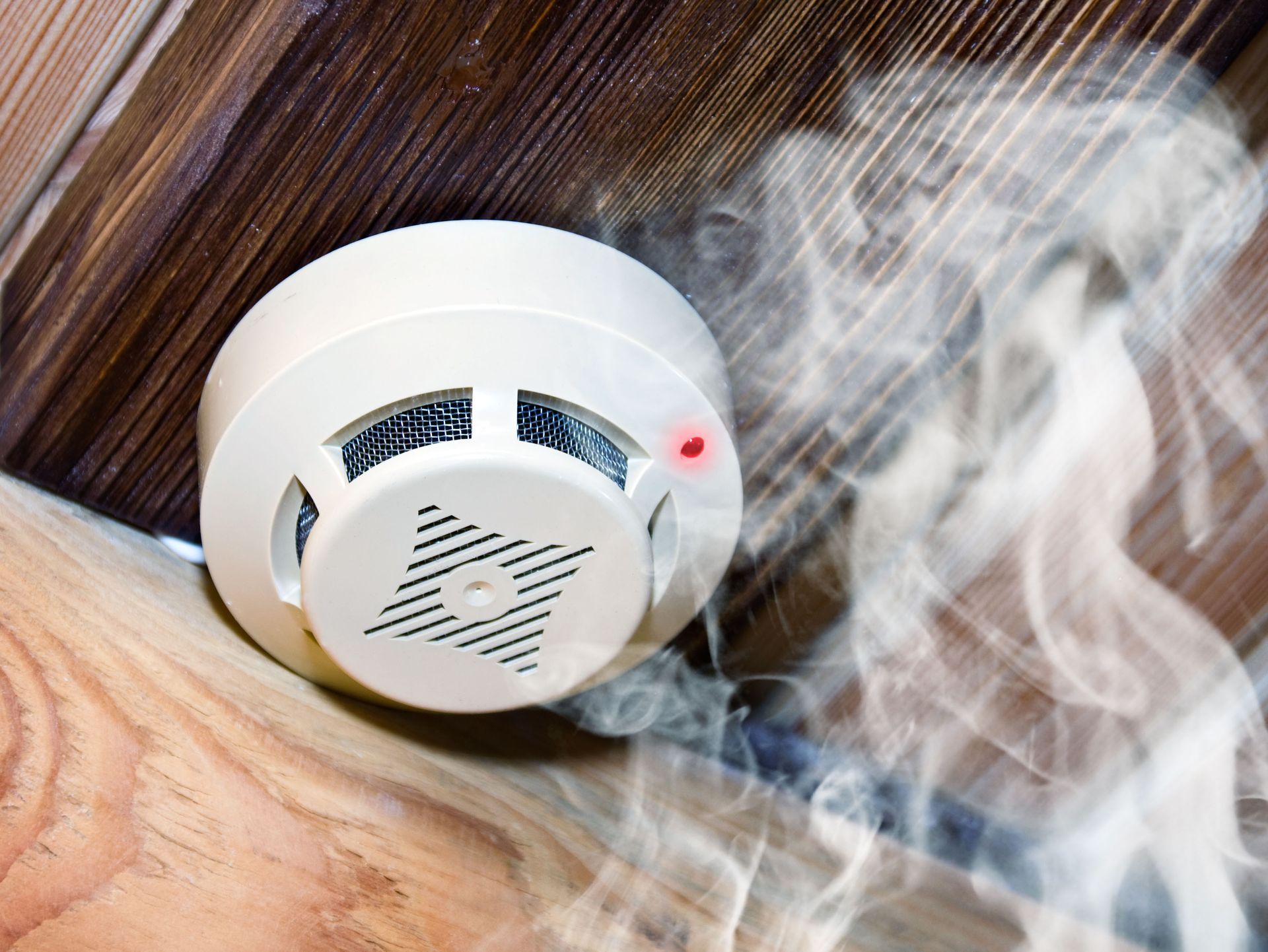
A professional inspection typically begins with a thorough evaluation of existing fire protection systems to determine whether they are operating correctly and meet current safety standards. This step includes examining smoke detectors, carbon monoxide alarms, heat detectors, and fire extinguishers. Inspectors test devices to verify that they respond properly and have not expired or malfunctioned. They also check placement to ensure alarms and extinguishers are located where they can be accessed quickly during an emergency.
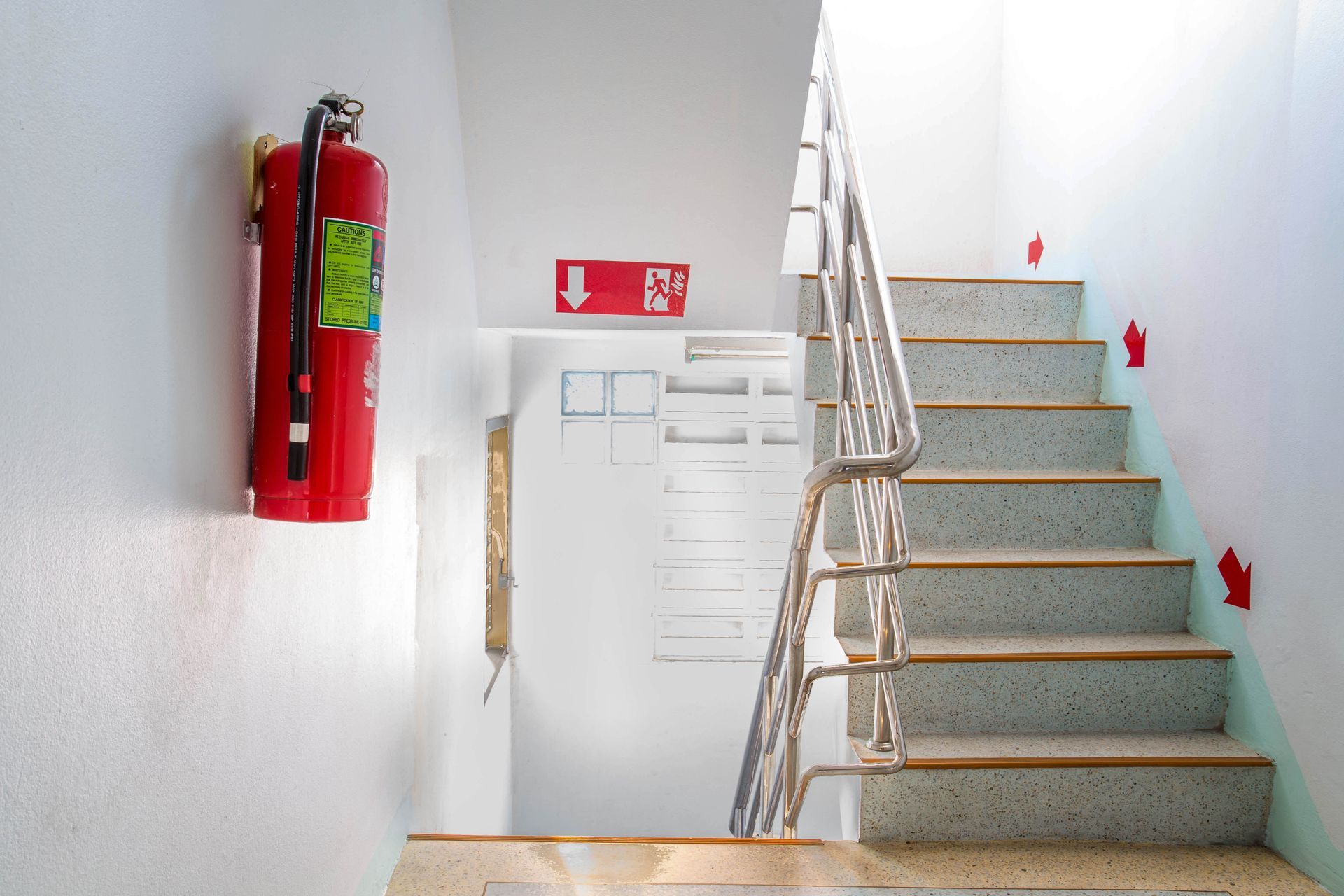
Fire extinguishers receive close attention because they play a crucial role in containing small fires before they spread. Inspectors check pressure gauges, tamper seals, and physical condition to ensure extinguishers are in working order. They also evaluate whether each extinguisher matches the fire risks present in the building. For example, commercial kitchens require extinguishers capable of handling grease fires, while industrial properties may need specialized equipment for chemical or electrical fire risks.
In buildings equipped with sprinkler systems, inspectors evaluate water pressure, control valves, piping, and sprinkler heads. They check for corrosion, leaks, or obstructions that could compromise system performance. In some cases, inspectors may conduct flow tests or use specialized tools to simulate activation and verify the system’s immediate readiness.
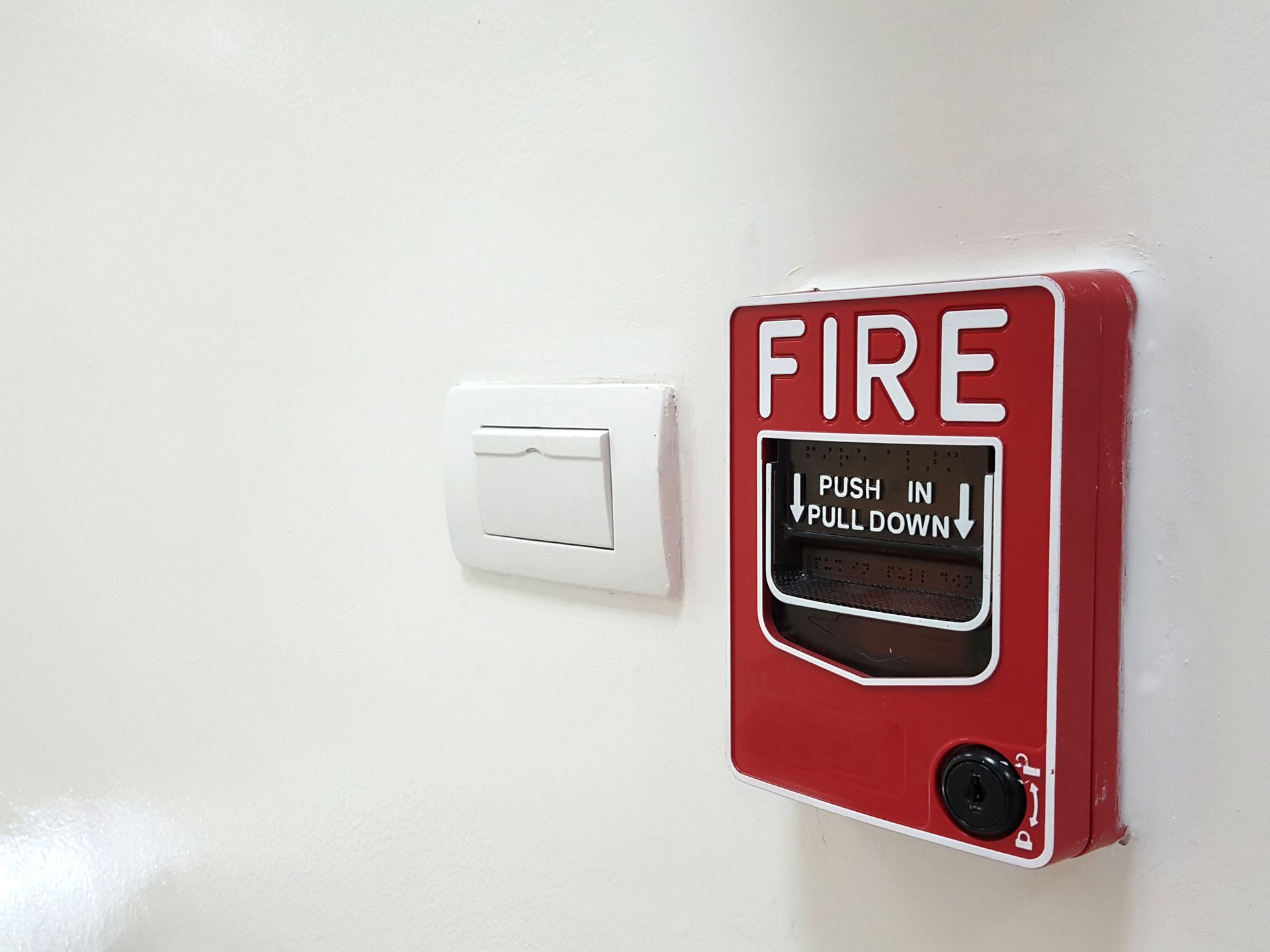
Alarms and monitoring systems are also reviewed. Technicians test alarm panels, wiring, and communication lines to ensure signals are properly transmitted to emergency responders. This careful evaluation helps reduce the risk of equipment failure during an actual emergency and ensures that all systems operate as intended.
Identifying Fire Hazards and Evaluating Structural Risks
Beyond equipment checks, a thorough fire safety service inspection includes identifying potential hazards within the building. Inspectors look for sources of ignition, combustible materials stored improperly, or structural risks that could contribute to fire spread. Common hazards include overloaded electrical outlets, damaged wiring, blocked exits, cluttered storage areas, and flammable liquids kept near heat sources.
Electrical hazards receive special attention due to their potential severity. According to the Electrical Safety Foundation International, more than 28,000 home fires are started each year in the United States as a result of arcing faults. This statistic underscores the importance of inspecting outlets, circuit breakers, and wiring systems to identify worn insulation, loose connections, or outdated components. Inspectors may recommend relocation of appliances or the installation of additional circuits to prevent overloads.
Structural risks also play a role in fire safety inspections. The presence of damaged insulation, compromised fire barriers, or open wall cavities can accelerate the spread of flames. Inspectors review the condition of fire doors, stairwells, and emergency exits to ensure they meet safety requirements. Fire doors, for instance, must close properly and remain unobstructed to slow fire progression and provide safe evacuation routes in the event of an emergency.
In commercial environments, additional considerations may include checking ventilation systems in kitchens, industrial exhaust systems, or manufacturing equipment. Inspectors look for grease buildup, improper disposal of materials, or equipment defects that may elevate fire risk. By identifying hazards early, property owners can address issues before they become serious threats.
Reviewing Compliance With Local Regulations and Building Codes
A major responsibility of professional inspectors is to ensure that the property meets all applicable fire safety standards and regulations. Compliance is essential not only for safety but also for legal and insurance purposes. Building codes change over time, and many property owners are unaware of updates that require adjustments to their fire safety systems.
During a fire safety service inspection, the inspector evaluates whether the property adheres to current fire codes, including exit signage, emergency lighting, fire extinguisher placement, sprinkler system requirements, and occupancy limits. For commercial properties, industry-specific regulations—such as those applying to restaurants, warehouses, medical offices, or retail stores—may also apply.
Inspectors verify that pathways to exits remain clear and that signage is properly illuminated. They test emergency lighting systems to ensure visibility during power outages. In some cases, inspectors may instruct property owners to update outdated equipment or install additional safety devices.
Documentation plays an important role in compliance reviews. Inspectors check maintenance logs, previous reports, and service records to confirm that fire protection systems have been regularly inspected and maintained. Consistent documentation assures insurance providers and regulatory agencies that the property complies with required standards.
For businesses, passing fire safety inspections is often mandatory to maintain licenses and avoid fines. Understanding compliance requirements helps property owners stay ahead of potential violations and prioritize necessary improvements.
Testing Emergency Readiness and Communication Protocols
Beyond equipment and compliance checks, a fire safety service inspection often involves evaluating how prepared the building and its occupants are for emergencies. Proper planning and communication can significantly reduce risk and ensure that occupants respond quickly and effectively during a fire.
Inspectors may review emergency evacuation plans to verify that they are up to date, clearly posted, and easily understood. They ensure that evacuation routes are accessible and free from obstructions. In larger commercial buildings, inspectors may confirm whether designated meeting points or accountability procedures are in place.
Communication systems are also tested. Inspectors check whether alarm systems can notify occupants promptly and whether communication panels correctly relay signals to local fire departments or monitoring centers. Clear and reliable communication is essential for minimizing response time during an emergency.
In some cases, inspectors may recommend fire drills or staff training to improve readiness. Understanding how to operate fire extinguishers, recognizing alarm signals, and knowing evacuation procedures are important components of a comprehensive fire safety strategy. These recommendations help ensure that occupants are not only protected by equipment but also prepared to act quickly when needed.
Receiving Inspection Findings and Recommendations for Improvement
At the conclusion of a fire safety service inspection, the inspector provides a report detailing the findings and outlining any corrective actions needed. This report offers valuable insight into the building’s current level of fire preparedness and identifies areas that require attention. Common recommendations may include replacing outdated alarms, repairing electrical components, installing additional extinguishers, or improving housekeeping practices to reduce fire risks.
The report also highlights positive aspects of the property, such as well-maintained equipment, up-to-date documentation, and effective emergency planning. This information helps property owners understand what is working well and where improvements can be made.
In some cases, the inspector may schedule follow-up visits to verify that corrective actions have been addressed. This ensures ongoing compliance and reinforces a culture of safety within the home or workplace. Property owners are encouraged to use inspection findings as a roadmap for continuous improvement, updating their fire safety systems regularly to protect occupants and property.
By understanding the recommendations provided, property owners can take proactive steps to reduce fire risk, enhance emergency readiness, and maintain compliance with regulations. Call Elite Brothers Fire & Safety today to schedule your fire protection or safety service.