February 21, 2026
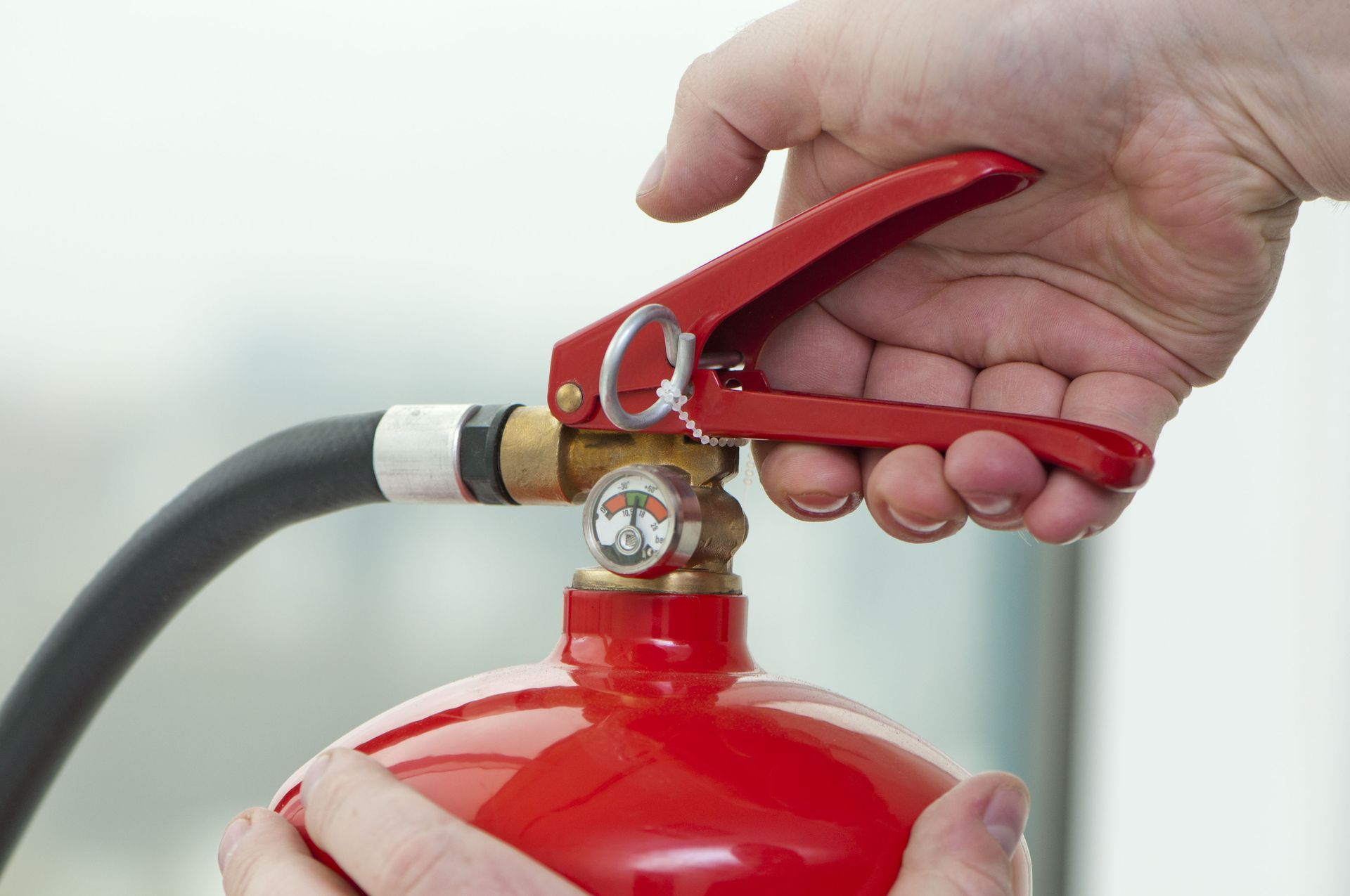
Fire extinguishers are a cornerstone of safety in both residential and commercial settings, providing the first line of defense against potential fire emergencies. However, not all extinguishers are created equal—different types are specifically designed to handle distinct fire hazards, from everyday combustibles and flammable liquids to electrical equipment and kitchen oils. Understanding the classifications, proper usage, and ideal placement of fire extinguishers can make the difference between quickly controlling a small fire and facing a larger, more dangerous incident. Evaluating your environment, assessing risk areas, and considering factors such as size, portability, and storage conditions are all essential steps in developing a comprehensive fire safety plan. By gaining a clear understanding of extinguisher types and their applications, homeowners and business owners alike can ensure they are prepared to respond effectively when every second counts.
Understanding Fire Extinguisher Types
Class A fire extinguishers are designed to combat fires involving everyday combustibles such as wood, paper, and cloth. These materials are common in homes and offices, making Class A extinguishers a staple in fire safety. The main extinguishing agent used in these extinguishers is water or foam, which helps cool and smother the fire. Keeping this type of extinguisher where the risk of such fires is significant is key to preparedness. They offer a direct and effective method of controlling fires originating from ordinary materials.
Class B fire extinguishers are specifically designed for fires involving flammable liquids like gasoline, oil, and paint. These situations are common in garages, workshops, and industrial settings where such liquids are handled. The primary agents used are foam, CO2, or dry chemical powders that cut off oxygen, thus extinguishing the fire. It's important to have them readily available in areas where flammable liquids are stored or used. Regular inspections ensure that these extinguishers remain effective in emergencies.
Electrical fires require the use of Class C fire extinguishers, which are specifically formulated with non-conductive extinguishing agents to ensure safety when dealing with energized electrical equipment. Dry chemical extinguishers are particularly effective in handling this type of fire without the risk of conducting electricity. As these fires can occur in homes and businesses, especially around electronics and wiring, having Class C extinguishers nearby is crucial. The capability to cut off the power supply underscores the importance of maintaining these units. Their strategic placement can prevent fires from escalating in electronic-heavy environments.
Class K fire extinguishers are essential for handling kitchen fires, particularly those involving cooking oils and fats. Common in both homes and commercial kitchen settings, they use wet chemical agents to cool and emulsify the fire, effectively blocking fuel from oxygen. With the prevalence of cooking-related fires, these extinguishers are crucial in culinary environments. The presence of Class K fire extinguishers in kitchens helps prevent what could escalate into significant fire emergencies. Regular safety checks and proper placement can drastically reduce the risk of extensive damage from kitchen fires.
Evaluating Your Environment
In residential settings, kitchens are often the most common source of fires due to the use of heat and flammable cooking oils. Having a Class K extinguisher within easy reach can prevent a small kitchen mishap from turning into a full-fledged disaster. Garages, where flammable materials and power tools are kept, present another area of concern. A combination of Class B and C extinguishers should be readily available in garages to manage both liquid spills and electrical fires. Evaluating the specific layout and function of these areas can guide the selection of the most effective fire extinguishing solutions.
In business environments, understanding specific fire risks is critical for strategic extinguisher placements. Office spaces, often equipped with numerous electronic devices, necessitate Class C extinguishers. Workshops, which might engage with both flammable liquids and metals, require a varied set of extinguishers, such as Class B and D. The effectiveness of an extinguisher relies as much on its type as its location within the workplace. Regular safety audits help maintain compliance and ensure that the right equipment is in the right spot. Did you know? According to the U.S. Fire Administration, men are more likely to die or be injured in fires, with males accounting for 61.3% of fire deaths and 60.3% of fire injuries.
High-risk areas can vary significantly depending on the setting, whether residential or commercial. Kitchens, garages, and areas with dense electrical appliances or hazardous materials are typical examples. Identifying these zones not only assists in selecting the correct extinguishers but also underscores the importance of regular risk assessments. The ability to anticipate potential hazards can substantially mitigate fire risks. Preparedness in high-risk areas can lead to quicker responses and effectively reduce the potential impact of fires.
The assessment of fire hazards involves an analysis of materials present and their likelihood of igniting. Doing so allows home and business owners to strategically place appropriate fire extinguishers. In addition to location, the type of materials and potential points of ignition play crucial roles in determining the nature of the hazard. Knowledge of these factors enhances the ability to deploy the right extinguishers effectively. Regular updates and evaluations of these hazards ensure preparedness against fire outbreaks.
Considering Size and Portability Considerations
The size of an extinguisher directly impacts its capability and the length of time it can be effective in a fire situation. Smaller extinguishers are more manageable and easier to use, but might contain less agent. On the other hand, larger extinguishers provide more extinguishing power but can be cumbersome, particularly in residential settings. The choice between small and large involves a balance between practicality and potential needs in an emergency. In many cases, having multiple smaller extinguishers strategically placed can offer extensive coverage.
Portability is another critical factor in selecting the right fire extinguisher; it enhances the ability to swiftly access and utilize the equipment. Portable extinguishers are advantageous for personal use and can be quickly repositioned where needed most. Alternatively, stationary units provide greater volume but may require additional considerations regarding placement and access. Deciding between these options depends largely on the typical movement required in an emergency. Accessibility is crucial as it directly correlates to reaction time during a fire.
The weight of a fire extinguisher is paramount, particularly for its handling and effectiveness in an emergency. While larger extinguishers may provide more capacity, their weight can impede ease of use, especially if a quick response is needed. It's important to match your selection with the physical ability of the potential users, ensuring that everyone can operate the extinguisher effectively. In often tense and stressful emergency situations, a too-heavy extinguisher may lead to ineffective firefighting or accidents. Proper training and drills can help evaluate whether the selected extinguishers are appropriate for the users at hand.
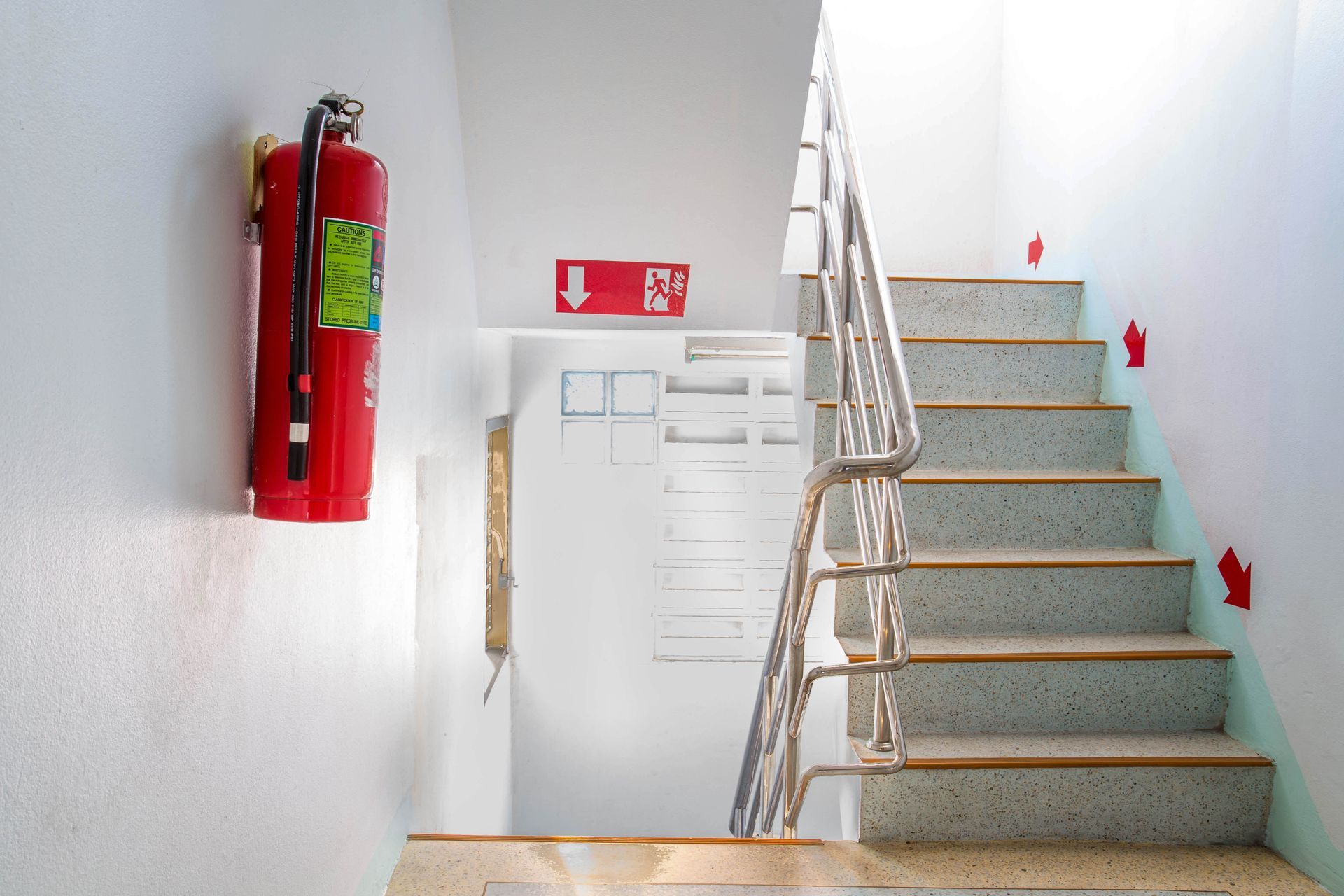
Proper storage conditions for fire extinguishers ensure they remain operable and effective over time. Some environments can negatively affect an extinguisher's functionality, such as extremely hot or cold temperatures. Thus, selecting a storage location that maintains a stable climate is important. Maintaining clear visibility and accessibility is also crucial, as extinguishers need to be readily visible and within reach to be useful during a fire incident. Regular checks and maintenance can help preserve functionality and readiness.
To ensure your space is equipped with the right fire safety measures, review your fire extinguisher setup today, and consult a fire safety professional from Elite Brothers Fire & Safety for guidance on proper selection, placement, and maintenance. Taking these steps can provide peace of mind and help you act swiftly in any fire emergency.