January 14, 2026
Understanding how fires affect vulnerable populations takes more than good intentions—it takes planning, education, and the right equipment in place. Seniors and children face unique risks during fire emergencies, from mobility and sensory challenges to slower response times and reliance on others. Creating safer environments for them means combining thoughtful design, clear procedures, and dependable fire safety products that work when seconds matter most. By focusing on prevention, preparedness, and reliable systems, families and caregivers can reduce risks and improve outcomes when emergencies occur. A strong approach to fire life safety starts with recognizing these differences and building protection strategies around them rather than assuming one-size-fits-all solutions.
Understanding Vulnerabilities
Seniors and children are often more susceptible to injury during fire emergencies due to physical, cognitive, and emotional factors. Seniors may experience reduced mobility, chronic health conditions, or sensory impairments that make quick evacuation difficult. Children, on the other hand, may not fully recognize danger or understand how to respond to alarms and instructions. These vulnerabilities mean that early detection and clear warning systems are essential. Smoke alarms, emergency lighting, and visible exit signage play a critical role in helping both groups recognize danger and move toward safety without confusion.
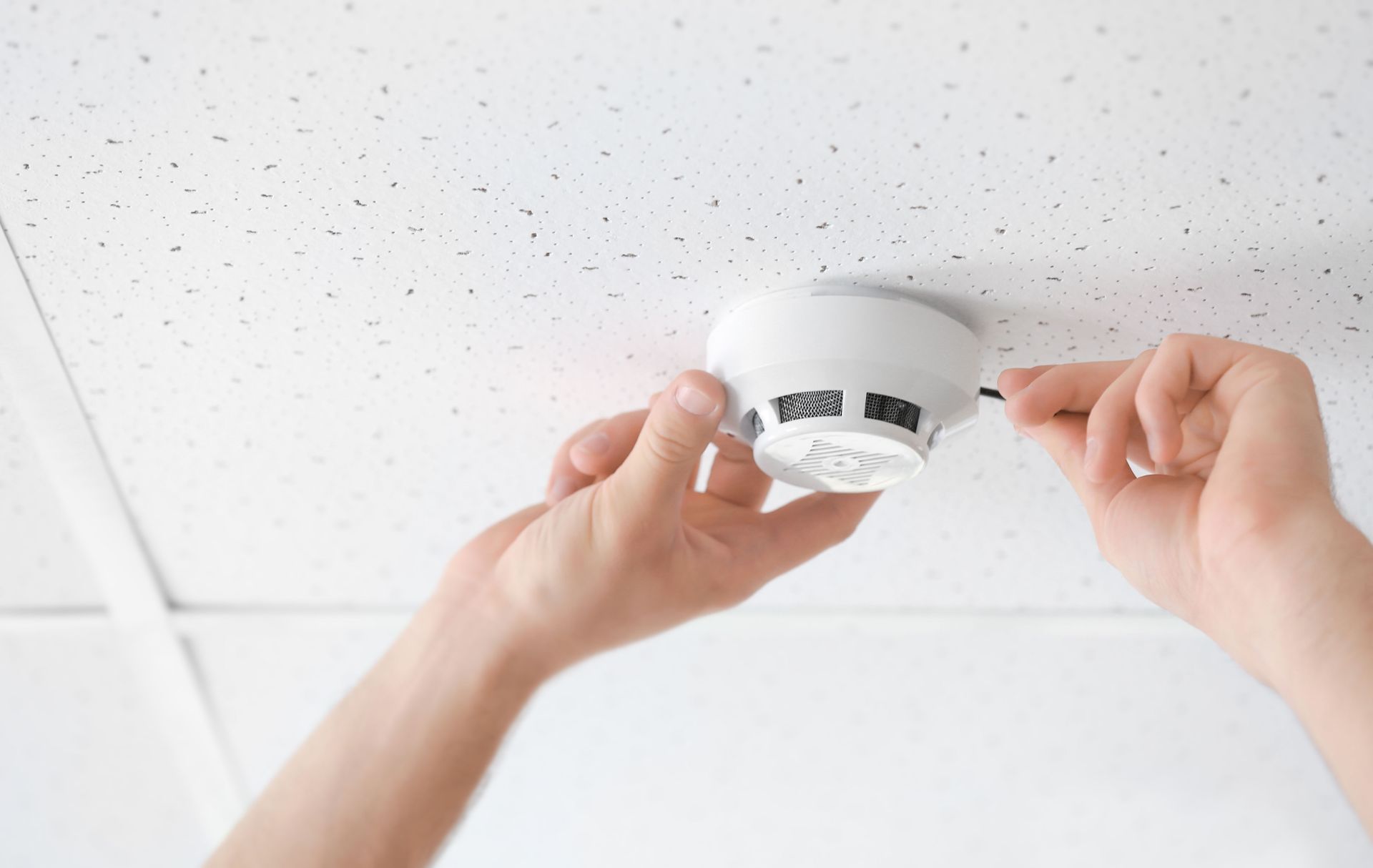
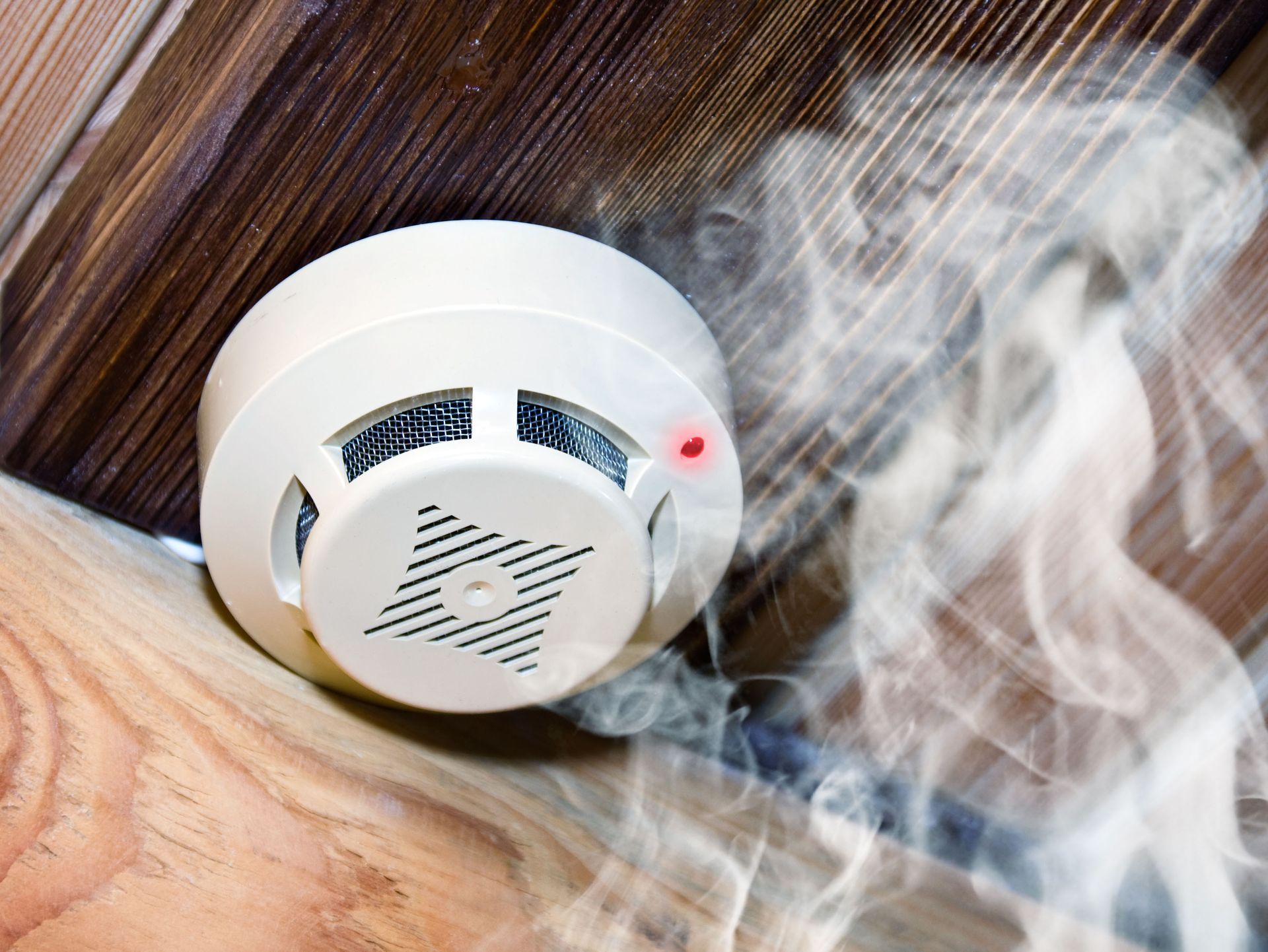
Physical limitations can slow evacuation, making early alerts especially important. According to SafetyCulture, working smoke alarms can cut the risk of dying in a home fire by around 50%, and most fire deaths occur in homes without functioning smoke alarms. That statistic alone underscores how critical properly installed and maintained detection devices are. Pairing alarms with visual indicators and well-lit escape routes helps compensate for slower response times. These measures reinforce fire life safety by ensuring that warnings are both immediate and accessible.
Cognitive impairments also increase risk. Seniors with dementia or children with developmental delays may struggle to process alarms or follow instructions under stress. Clear, repetitive training and simple visual cues can help bridge this gap. Exit lighting that remains illuminated during power outages and clearly marked pathways reduce the need for complex decision-making. When safety systems are intuitive, they provide reassurance and guidance even when panic sets in.
Addressing Mobility and Sensory Challenges
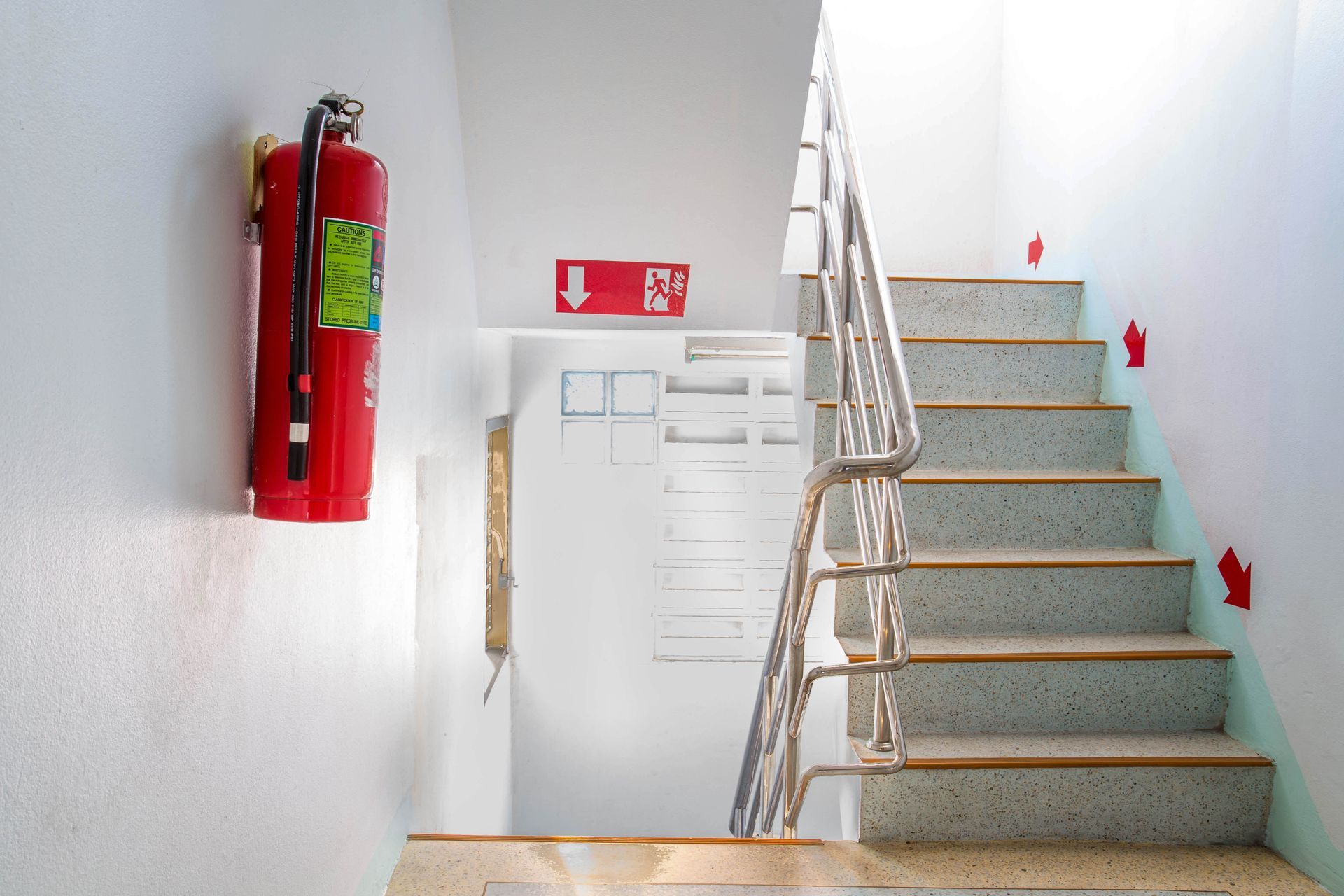
Mobility challenges are a major factor in evacuation safety. Seniors using walkers or wheelchairs require unobstructed pathways and exits that are easy to navigate. Children, while physically capable, may freeze or panic without guidance. Practicing evacuation routes and ensuring doorways, hallways, and stairwells are clear makes a measurable difference. Emergency lighting systems installed along these routes help guide movement even in low-visibility conditions caused by smoke.
Sensory deficits such as hearing or vision loss add another layer of complexity. Audible alarms alone may not be sufficient. Visual alarms, strobe lights, and illuminated exit signs ensure alerts reach everyone, regardless of sensory limitations. These systems are not optional extras—they are fundamental tools that support fire life safety for households with diverse needs. When combined with regular testing and maintenance, they form a dependable safety net.
Dependence on others is another key consideration. Seniors may rely on caregivers, and children depend on adults for direction and reassurance. This makes coordination critical. Caregivers should be familiar with alarm locations, extinguisher placement, and evacuation routes. Fire extinguishers should be accessible, properly rated, and regularly serviced so adults can respond quickly to small fires without putting themselves or dependents at risk.
Implementing Fire Prevention Strategies
Prevention begins with reliable detection and suppression tools. Smoke alarms should be installed on every level of a home and tested regularly. In addition to alarms, fire suppression systems provide an added layer of protection by controlling flames before they spread. These systems are particularly valuable in homes where evacuation may take longer due to age or mobility constraints. Having both detection and suppression in place strengthens fire life safety by addressing fires at their earliest stages.
Fire extinguishers are another essential component. Kitchens, garages, and utility areas are common ignition points, and a properly placed extinguisher can stop a small incident from becoming a disaster. Seniors should receive simple, hands-on instruction on how to use extinguishers safely, while children should be taught to alert adults rather than attempt to intervene themselves. Clear labeling and routine inspections ensure extinguishers are ready when needed.
Cooking remains one of the leading causes of residential fires. Safe cooking practices—such as staying in the kitchen while cooking, keeping flammable items away from heat, and using automatic shut-off appliances—reduce risk significantly. For seniors, easy-to-use appliances and reminder systems help prevent accidents. For children, supervision and education are key. These everyday habits reinforce fire life safety by reducing the likelihood of emergencies in the first place.
Creating Effective Escape Plans
A well-designed escape plan is essential for households with seniors and children. Plans should identify primary and secondary exits, designate meeting points, and account for mobility aids or assistance needs. Emergency and exit lighting ensures these routes remain visible even if power fails. Practicing drills regularly helps everyone understand their role and reduces panic during real events.
Including seniors and children in planning builds confidence and familiarity. Visual maps posted at eye level, glow-in-the-dark exit markers, and illuminated signage all support faster decision-making. These features are especially helpful for individuals who may struggle with memory or orientation. When escape plans are supported by clear lighting and signage, fire life safety becomes a shared, practiced responsibility rather than an abstract concept.
Designing Safer Living Environments
The physical environment plays a major role in reducing fire risk. Regular home safety assessments can identify hazards such as cluttered exits, overloaded outlets, or poorly maintained equipment. Improving lighting, securing loose rugs, and ensuring exits open easily all contribute to safer evacuation. Fire-resistant materials, such as treated insulation and fire-rated doors, slow the spread of flames and provide additional evacuation time.
Installing fire suppression systems adds another layer of defense, particularly in multi-story homes or residences with limited mobility. These systems work automatically, reducing reliance on human response. Combined with well-maintained extinguishers and alarms, they create a comprehensive approach to fire life safety that protects both property and people.
Educating and Empowering Families
Education ties all safety measures together. Seniors and children benefit from age-appropriate, repetitive instruction that reinforces safe behaviors. Visual aids, demonstrations, and simple explanations help information stick. Community programs, senior centers, and schools can all support fire safety education efforts.
Empowerment also means knowing when to rely on professionals. Regular inspections, maintenance, and updates to safety equipment ensure systems perform as intended. By staying proactive, families reduce uncertainty and build confidence in their preparedness. This ongoing commitment strengthens
fire life safety over time by reinforcing preparedness, ensuring systems remain reliable, and helping households adapt as needs, environments, and risks change.
Protecting seniors and children from fire risks requires more than awareness—it requires action, equipment, and expertise working together. From suppression systems and extinguisher services to dependable safety lighting, the right solutions make a measurable difference. If you’re looking to improve protection in your home or facility, Elite Brothers Fire & Safety is here to help. Serving the Nashville, TN area with free same-day quotes and 24/7 emergency service, we take pride in supporting safer environments through reliable products and professional service. Reach out today and let us help you build a stronger, smarter approach to fire life safety for the people who matter most.